Transforming engineering challenges into innovative, high-performance solutions through development, design, modeling, simulation, and optimization.
From early-stage concept development to production-ready solutions, Simula applies physics-driven engineering methodologies to support informed decision-making throughout the engineering process.
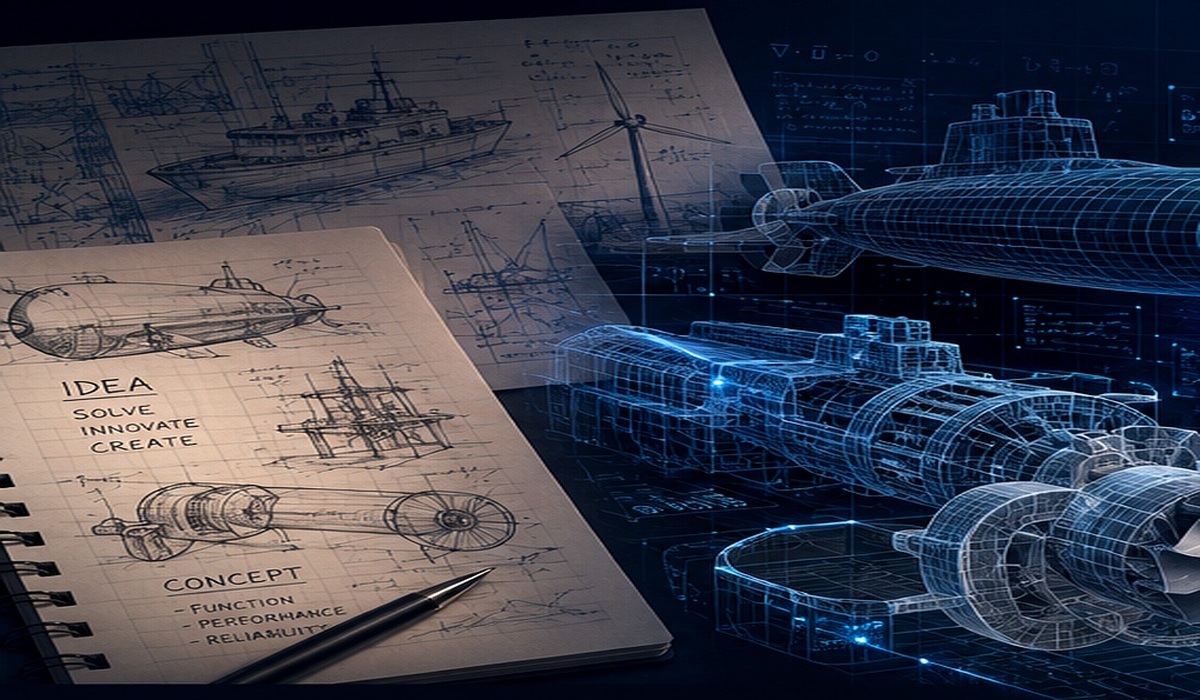
Engineering development transforms an initial idea into a technically defensible path forward. Simula approaches this stage by defining objectives, constraints, operating conditions, performance targets, and the physical mechanisms that govern feasibility. The result is not simply a concept; it is a structured engineering direction supported by requirements, assumptions, trade studies, and a clear development strategy.
Explore this capability →
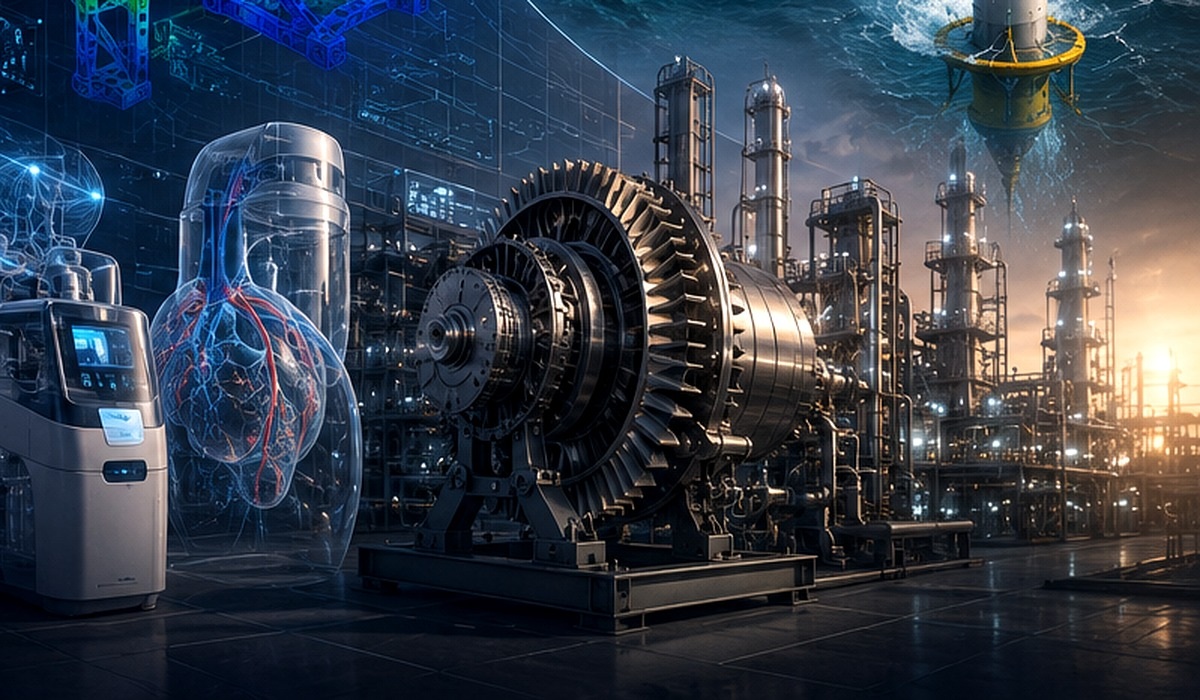
System design connects components, physics, interfaces, and operating requirements into a coherent engineering architecture. Simula develops system-level solutions by considering geometry, loads, flow paths, thermal environments, structural behavior, manufacturability, and operational constraints together rather than as isolated design tasks.
Explore this capability →
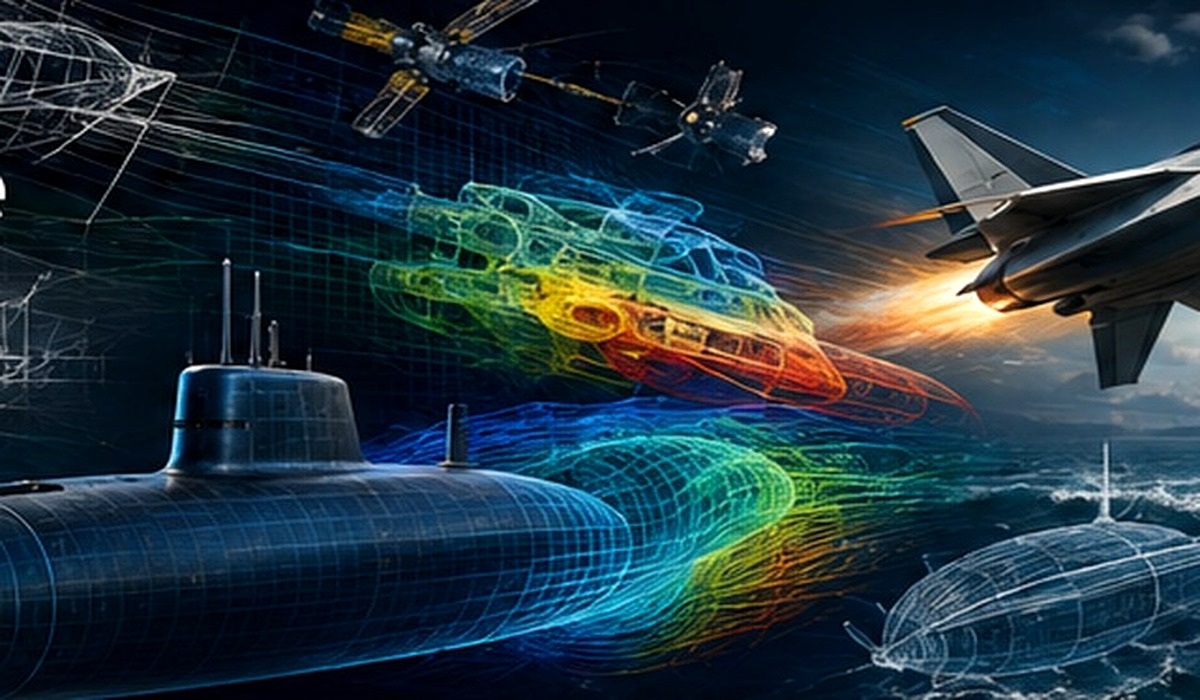
Modeling and digital prototyping create a technical representation of an engineering system before resources are committed to fabrication or deployment. These models support rapid iteration, geometry refinement, performance exploration, and communication of design intent across stakeholders.
Explore this capability →
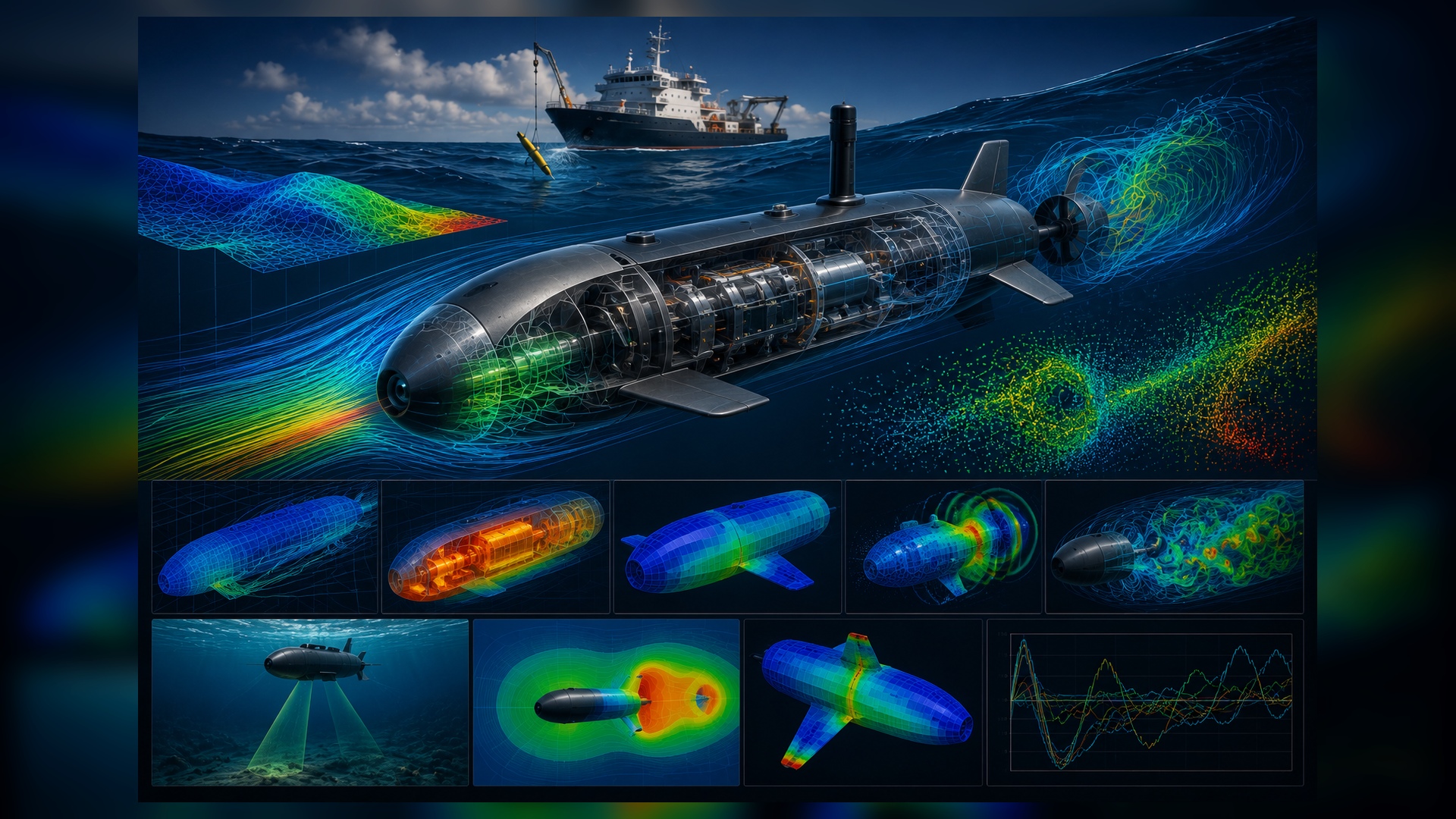
Real engineering systems rarely obey a single discipline. Fluid flow, heat transfer, structural deformation, vibration, pressure loading, and environmental effects often interact. Simula uses multiphysics thinking to understand these coupled mechanisms and predict how systems behave under realistic operating conditions.
Explore this capability →
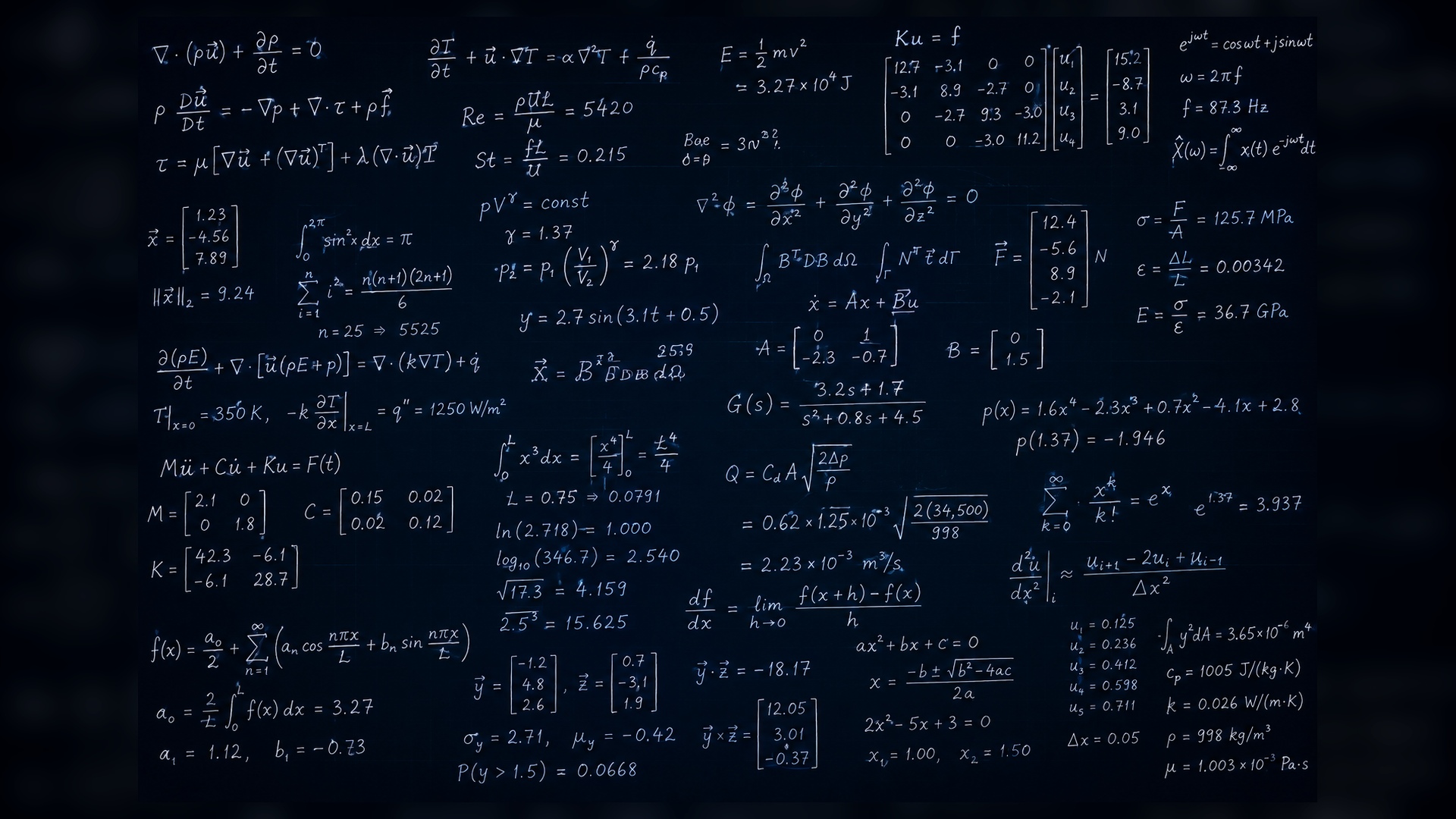
Engineering analysis and validation convert models into decision-ready technical evidence. Simula evaluates whether designs satisfy functional requirements, withstand operating environments, and maintain reliability under expected conditions. The goal is to reduce uncertainty and support defensible engineering decisions.
Explore this capability →
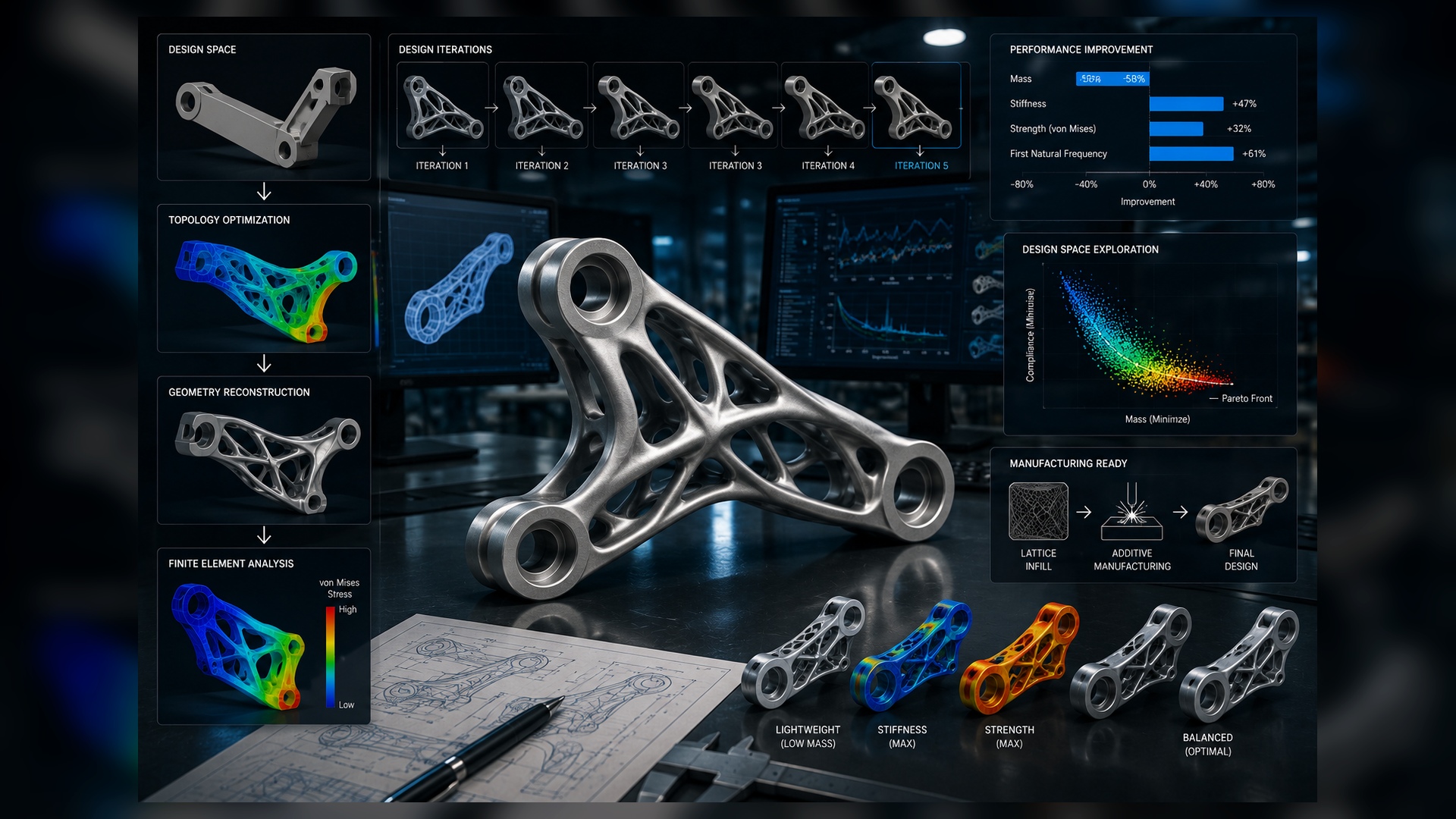
Optimization is the disciplined refinement of a design to improve performance, efficiency, reliability, weight, cost, or operational effectiveness. Simula evaluates design variables and physical constraints to identify improved configurations that better satisfy engineering objectives.
Explore this capability →
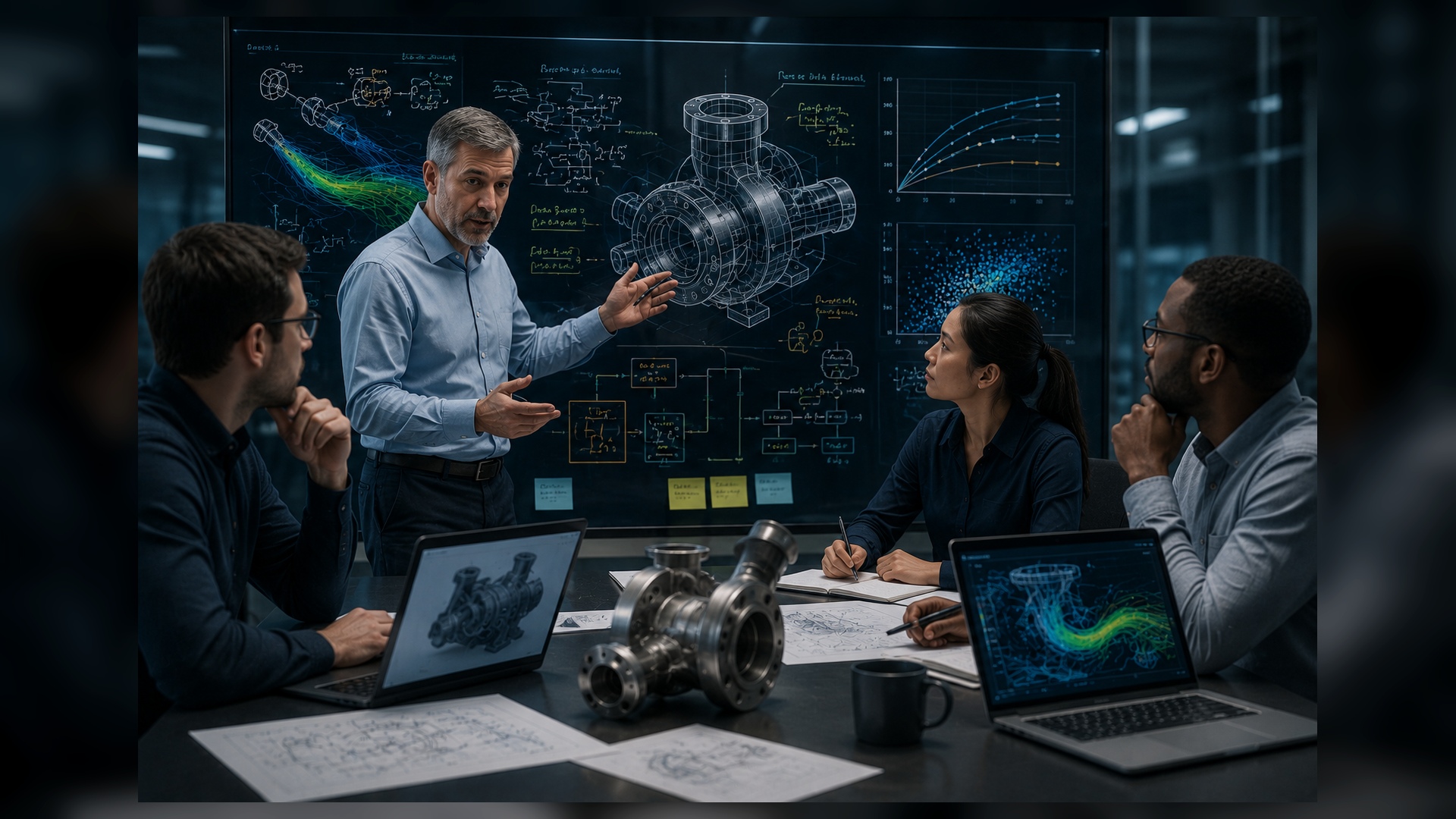
Technical consulting supports organizations facing difficult engineering questions, uncertain performance, design trade-offs, or development risk. Simula provides independent technical insight grounded in physics, analysis, and practical engineering judgment.
Explore this capability →

Research and innovation efforts often begin with uncertainty: unproven concepts, new operating regimes, unfamiliar physics, or incomplete requirements. Simula supports early-stage and advanced development programs by turning technical uncertainty into structured engineering investigation.
Explore this capability →
Whether you're developing a new technology, improving an existing system, or exploring innovative engineering concepts, Simula can help.
Discuss Your Engineering Challenge