Integrated Designs for Complex Physical Systems
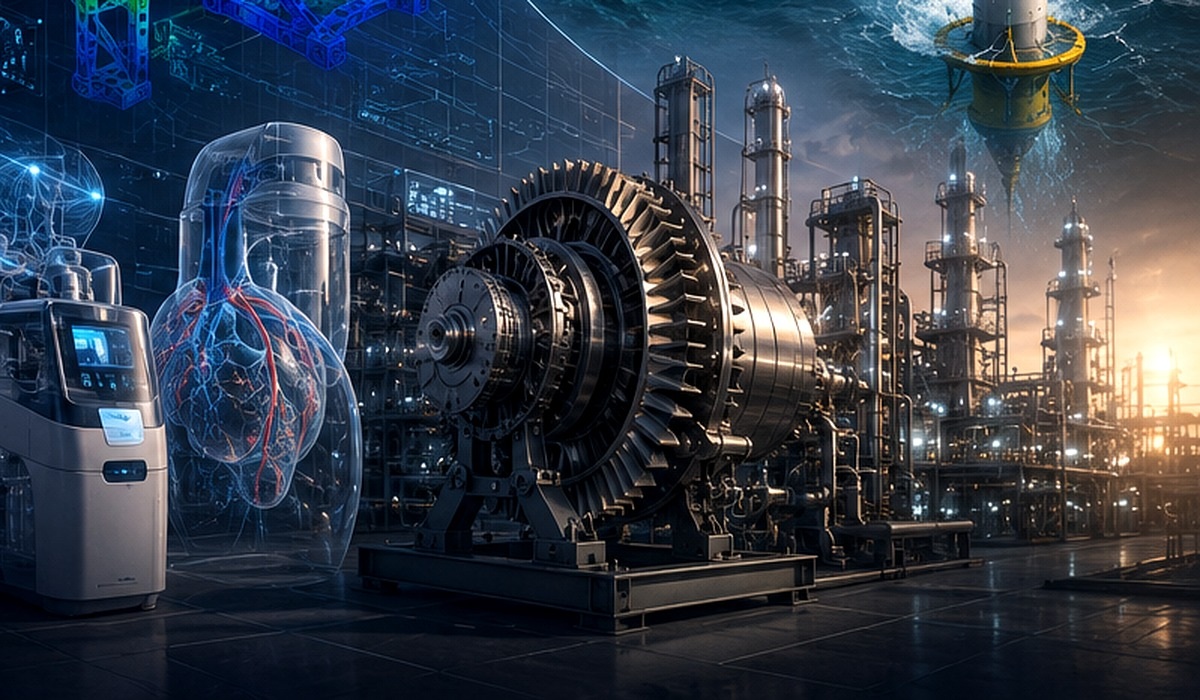
System design connects components, physics, interfaces, and operating requirements into a coherent engineering architecture. Simula develops system-level solutions by considering geometry, loads, flow paths, thermal environments, structural behavior, manufacturability, and operational constraints together rather than as isolated design tasks.
Effective system design is ultimately about integration—ensuring that components, subsystems, interfaces, and operating requirements work together to achieve the intended performance under real-world conditions.
Mechanical layouts, thermal-fluid architectures, structural concepts, equipment integration, interface definition, design trade-offs, and design documentation.
Each engagement is shaped by the physics of the system, the maturity of the concept, and the decisions the client needs to make.
Define requirements and performance objectives
Develop concepts and engineering strategies
Analyze feasibility, risks, and trade-offs
Iterate toward robust technical solutions
Deliver engineering insight ready for the next development stage
Simula helps transform technical uncertainty into engineering direction through rigorous analysis, design thinking, and simulation-driven insight.
Discuss Your Engineering Challenge